
Unlocking Success: Innovative Strategies for Modern Businesses in an Evolving Marketplace
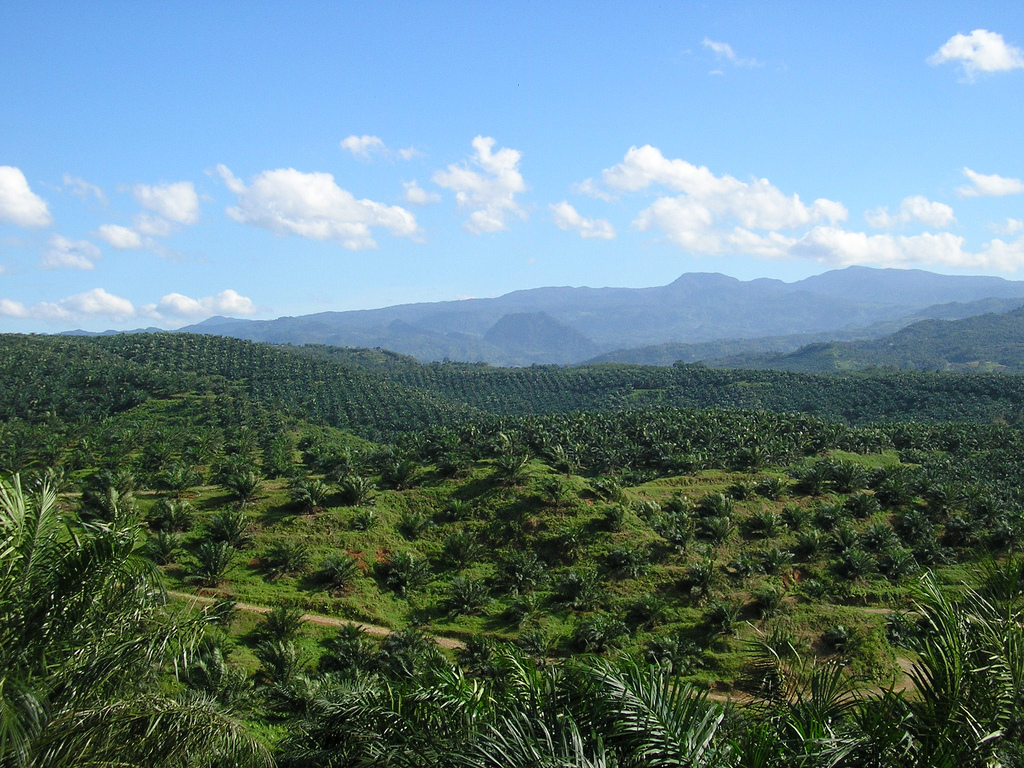
Maintaining a productive palm estate is a long-term investment that requires careful planning, execution, and sustainable practices. One of the most critical steps in ensuring long-term productivity is replanting—the process of renewing old palm trees with high-quality seedlings while maintaining soil health and environmental standards.
Why Replanting is Essential
Palm trees have a productive lifespan of 25–30 years. Beyond that, yields decline significantly due to aging trees, uneven spacing, and soil depletion.
Replanting ensures:
- Higher Productivity: New palms produce higher yields and are spaced optimally for sunlight and nutrient access.
- Environmental Sustainability: Modern replanting methods, such as zero-burning, preserve soil structure, prevent forest fires, and reduce carbon emissions.
- Operational Efficiency: Properly planned replanting improves access for machinery, maintenance, and harvesting.
Without replanting, estates risk declining production, soil degradation, and increased operational costs.
The Replanting Process
At Karya Murni Prima, we follow a structured, zero-burning replanting methodology that balances productivity with sustainability:
- Land Clearing
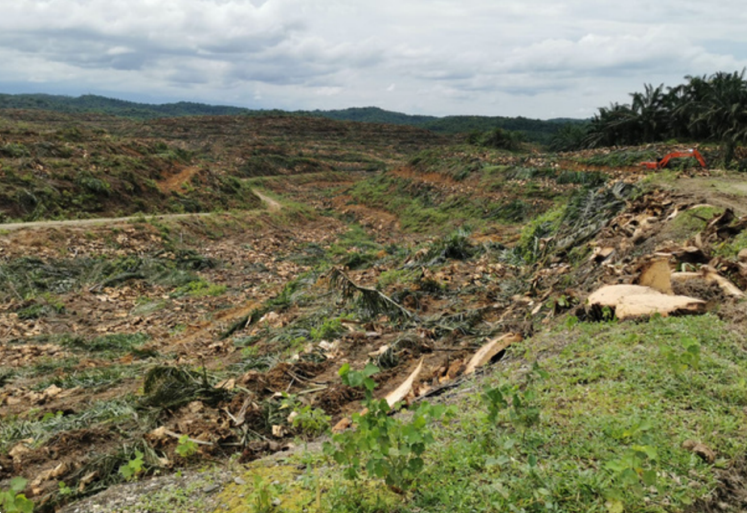
Old palms are carefully felled, underbrush removed, and timber stacked. Terracing and drainage systems are installed to prepare the land for new seedlings.
- Soil Preparation
The soil is plowed, leveled, and enriched with organic materials to improve fertility and water retention.
- Planting
High-quality, disease-resistant seedlings are planted at precise spacing to optimize growth and survival rates.
- Infrastructure Support:
Field and boundary drains, as well as temporary access roads, are built to support operations and long-term estate management.
This approach not only preserves the environment but also maximizes the potential for a productive, long-lasting plantation.